


Hanoi: A Millennium of History and Its Highlights
Hanoi, the capital of Vietnam, is a city that has borne witness to over a thousand years of history. Founded in 1010 AD during the Ly Dynasty, Hanoi — originally named Thang Long, or “Ascending Dragon” — has been the political hub of Vietnam for most of its history. From its ancient temples to its French colonial architecture, the city’s rich history is reflected in its diverse cultural landmarks. Here are some of the highlights.
 The Imperial Citadel of Thang Long
 The Imperial Citadel of Thang Long
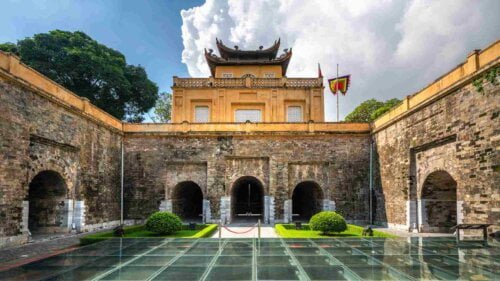
A UNESCO World Heritage Site, the Imperial Citadel of Thang Long is an intriguing relic of Vietnam’s history. The citadel was the political center of the country for 13 centuries and is a symbol of Hanoi’s enduring significance. Excavations have revealed relics from as far back as the 6th century. The Hanoi Flag Tower, a part of the citadel, is one of the most recognizable landmarks of Hanoi.
Hoan Kiem Lake and Ngoc Son Temple
At the heart of Hanoi lies Hoan Kiem Lake, a serene oasis that provides respite from the city’s bustle. On a small island in the lake resides the Ngoc Son Temple, which dates back to the 18th century. The temple, along with the picturesque Huc Bridge leading to it and the Tortoise Tower standing on another island, form an enchanting scene that’s essential to Hanoi’s identity.
The Old Quarter
The Old Quarter, near Hoan Kiem Lake, is a living testament to Hanoi’s history, with its narrow streets named after the specific guilds that used to represent them. This bustling area offers a unique blend of old and new Vietnam, with street vendors, traditional craftsmen, and contemporary cafes and bars.
The Temple of Literature
Constructed in 1070, the Temple of Literature is one of the most well-preserved examples of traditional Vietnamese architecture. It was established as the country’s first university and hosts a series of beautiful courtyards, pavilions, and halls. The temple is dedicated to Confucius and scholars, embodying the country’s rich academic history.
Ho Chi Minh Mausoleum
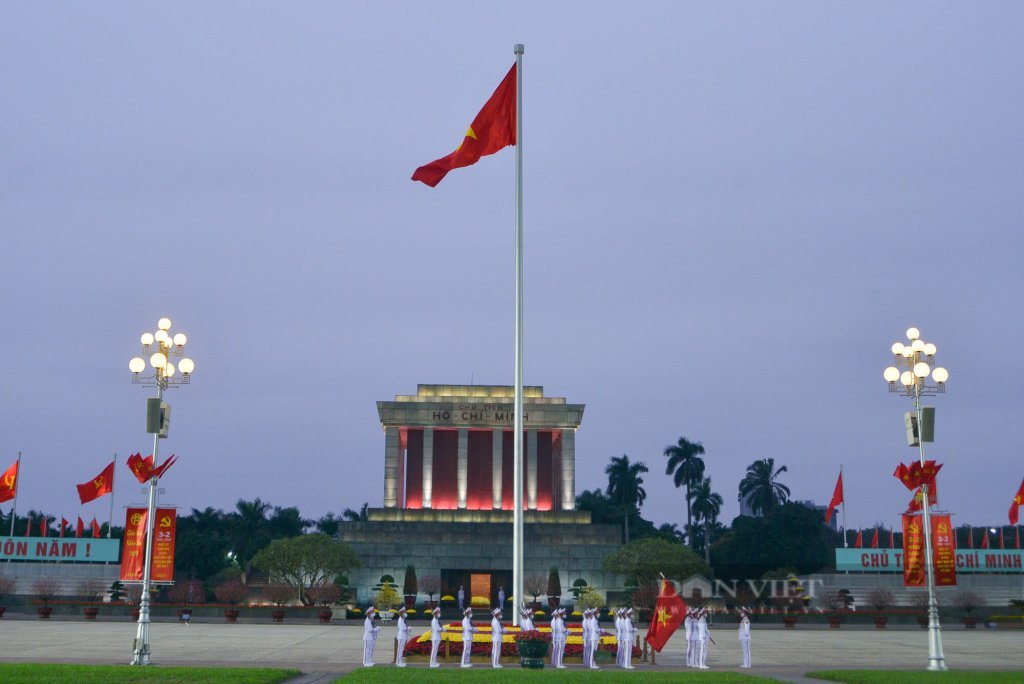
The Ho Chi Minh Mausoleum is one of the most visited sites in Hanoi. It houses the embalmed body of Ho Chi Minh, a key figure in the Vietnam War and the country’s revered leader. The monument reflects the significance of the modern political history of Vietnam.
French Quarter
Colonial Hanoi is best represented by the French Quarter, where wide, leafy boulevards are lined with stunning French colonial architecture, including the iconic Hanoi Opera House and the Sofitel Legend Metropole Hotel.
Each of these highlights tells a part of Hanoi’s thousand-year story, from its earliest days to its colonial past, right through to its present-day status as a bustling, modern city. This blend of old and new, tradition and progress, is what sets Hanoi apart, making it a must-visit destination for those wanting to understand the heart and soul of Vietnam.